
Last month the UK’s broadband regulator announced that average download speeds had finally crossed the 100 Mbps threshold for the first time since 2019. That milestone meant most households could now handle the 15‑20 Mbps sustained rates that services such as Xbox Cloud Gaming or Nvidia GeForce Now recommend for 1080p streaming. In practice, I was able to launch a new release of Horizon Forbidden West on my modest laptop, no console attached, and the game loaded within three seconds of pressing “play”. The lag was barely noticeable, even when I switched from a living‑room Wi‑Fi to a bedroom Ethernet cable.
What the numbers actually say
According to a June 2024 report from the Entertainment Software Association, UK gamers spent an average of £78 per month on gaming. Of that, roughly 12 % – about £9 – went to cloud subscriptions. The same report showed a 27 % year‑on‑year increase in cloud‑only users, meaning more players are opting to rent hardware rather than buy it. The price point is a big driver: a yearly Xbox Game Pass Ultimate subscription costs £119, which includes cloud access, versus the £299 price tag of a current‑generation console plus the extra cost of a TV or monitor.
How streaming reshapes the everyday gamer’s setup
Before cloud services, a typical UK gaming rig required three core components: a console or PC, a display, and a stable power supply. Now, the “hardware” list can be trimmed down to a device that can run a web browser or a thin client – a cheap Android tablet, a refurbished laptop, or even a smart TV. I tested the service on a 2022 budget tablet with a 5.5‑inch screen; the game ran at 60 fps, and the battery lasted just under two hours before I plugged it back in. The only real limitation I hit was the occasional “buffering” spike when my neighbour started a large software update, which temporarily ate up the shared bandwidth.
Who benefits most – and who might be left out
Casual players who mainly enjoy multiplayer titles or occasional indie releases find cloud gaming especially attractive. The low upfront cost means a teenager can try out the latest AAA titles without convincing parents to buy a £500 console. On the other hand, hardcore gamers who rely on ultra‑high frame rates for competitive shooters may still prefer a dedicated PC with a high‑refresh monitor. The latency ceiling for most UK broadband – roughly 30 ms round‑trip – is fine for most games, but for elite e‑sports athletes even a few extra milliseconds can be decisive.
Beyond games: the broader entertainment ripple
Streaming isn’t limited to interactive play. Many services bundle movies, music, and live sports into the same subscription, blurring the line between gaming and other digital pastimes. This convergence is why I often switch from a cloud‑based RPG to a live‑streamed concert without changing devices. It also explains why the industry is watching the trend so closely.
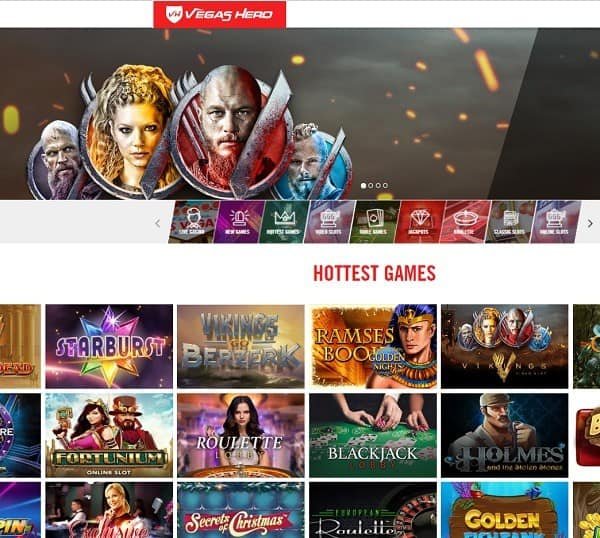
Speaking of convergence, the same technology that powers cloud gaming is also reshaping online casino experiences. If you’re curious about how streaming can deliver a seamless, high‑quality gambling session on a modest laptop, check out the work of vegas hero for a practical example.
What to watch for in the next year
Two developments will likely dictate whether cloud gaming becomes the dominant model in the UK. First, 5G rollout: early adopters in cities like Manchester and Birmingham are already reporting sub‑10 ms latency on mobile networks, which could free players from wired connections altogether. Second, the rise of “edge” data centres – small server farms placed closer to residential areas – promises to cut the distance between you and the game server, further shaving off latency.
If you’re considering a switch, start with a month‑long trial of a service that offers a “free tier” or a low‑cost entry point. Test it on your current hardware, measure the latency with a tool like PingPlotter, and compare the experience to your console. The numbers will tell you whether the convenience outweighs the occasional hiccup.
Frequently Asked Questions
What are the minimum internet speeds needed for cloud gaming?
For 1080p streaming, most services recommend 15–20 Mbps sustained upload and download speeds, with lower latency than typical broadband.
Can I play cloud games on my laptop?
Yes, as long as your device meets the system requirements and has a stable internet connection, you can launch titles directly from the cloud.