
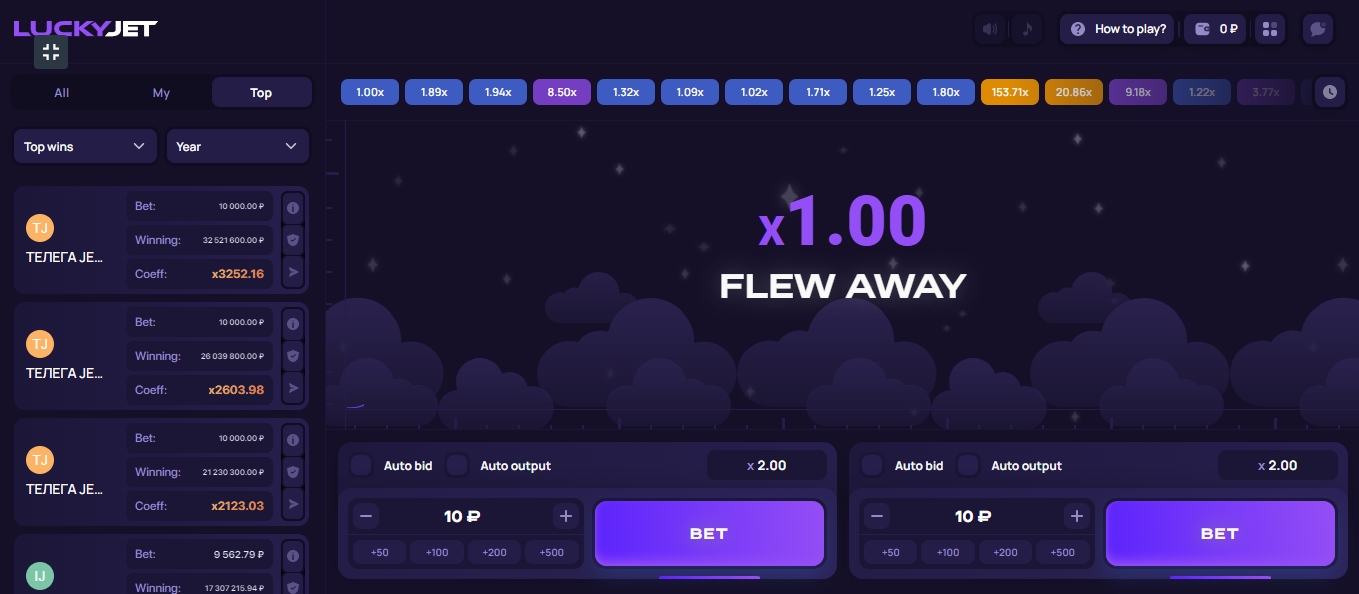
My investigation into Canada’s online gaming scene persistently comes back to one unusual trend: the Lucky Jet game. It’s not just another crash game on a casino site. It has generated a dedicated following that speaks about it in almost spiritual terms. This goes beyond simple superstition. Players, especially in provinces like Ontario and British Columbia, are articulating a belief that their connection with Lucky Jet—that split-second selection to cash out before the multiplier plummets—appears like an intuitive chat with a vast, chaotic system. They talk about “heeding” the game’s pulse, reaching a zone of intense focus where a good guess seems less like random luck and more like picking up a clear transmission. This concept of “universe communication” is a strong social current, transforming a digital betting game into a personal gauge for one’s connection to chance. It’s a telling cultural shift, showing how we incorporate personal beliefs into our digital interactions.
The Essential Mechanics of Lucky Jet: A Game of Anticipation
You have to know how Lucky Jet functions to grasp why these beliefs are entrenched. Fundamentally, it’s a simple crash game. A little jet takes off on screen, and a multiplier starts rising from 1.00x. As a player, I place a bet before launch, then I must choose the exact moment to hit “cash out,” locking in my bet multiplied by the current number. The downside is the jet can vanish—crash—at any random instant, wiping out all bets still in play. Nobody can cunningly predict the crash point; a provably fair algorithm decides it. All the psychological pressure boils down to that millisecond decision: cash out or let it ride. This quick loop of risk and reward, over in seconds, brews a strong mix of adrenaline and concentration. It’s in that white-hot moment of choice that players claim they find a flow state, a feeling of being “in sync” with some hidden rhythm. So the game’s mechanics are not just rules. They establish the framework for a personal drama of gut feeling fighting reason.
The Canadian Interpretation: Intuition as Cosmic Message

A specific way of talking about Lucky Jet has appeared in Canadian forums, social media circles, and player stories. Canadian players, maybe molded by the country’s huge wild spaces and a general openness to different spiritual ideas, often describe their gameplay with words about intuition and cosmic connection. I’ve read countless accounts where a winning cash-out gets credited not to “luck” but to “catching the signal” or “riding the right wave.” A common thread implies the game’s random number generator isn’t just a cold piece of code, but a chaotic system you can briefly get in tune with. This belief lets players narrate their wins as personal triumphs of awareness and their losses as just a brief lapse in that universal connection. It’s a very human need to find meaning in chaos. Within Canada’s digital pockets, Lucky Jet has transformed into an odd little instrument for this kind of exploration—a low-stakes, high-tension simulator for checking your link to the invisible beat of chance.
Mental Bases of the “Communication” Idea
The psychological machinery behind this “universe communication” notion is as fascinating as the conviction. My reading indicates a few familiar cognitive biases. The illusion of control sits at the top. In any game of chance, people look for patterns and a sense of influence. Hitting that “cash out” button offers a concrete moment of control, making the result feel earned. Then there’s confirmation bias. Players recall and applaud the times they “had a feeling” and won, while quietly forgetting the many times the same feeling led to a crash. This filtered memory bolsters the myth of a receivable signal. The game’s own design, with its building tension and constant possibility of instant loss, puts players in a heightened emotional state where gut feelings seem stronger and more dependable. In that space, thinking you’re talking to the game’s universe becomes a useful coping mechanism. It transforms nerve-wracking randomness into a conversation you can almost comprehend.
Player group and Common Traditions in Canada-based Player Bases
This belief doesn’t survive alone. It gets pumped up and shaped by the collective. In Canada, Lucky Jet fans meet in certain online forums to share “strategies,” which often become elaborate rituals dressed up as tips. I’ve seen forum discussions where players argue the ideal time of day to feel “in the zone”, or list the ritualistic things they do before launching a round. These collective habits build a group narrative around the game. When someone uploads a image of a huge win they secured by collecting based on a feeling, it functions as a convincing evidence for everyone else, making the entire idea feel more genuine. This social element is key. It changes a solitary click into a communal group experience. Terms like “reading the signs” or “listening to the jet” become a common lingo, a way for players to bond over this collective online experience. The community doesn’t merely play. It cooperates to build a story about what the game represents and how to touch its presumed hidden layer.
Contrasting View: The Reality of Cryptographically Fair Algorithms
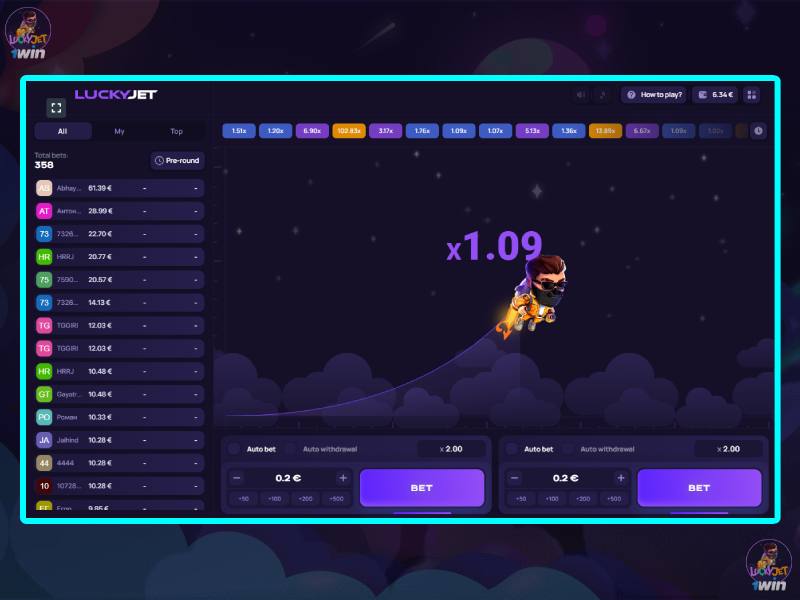
For all the weight of player stories, I have to lay them next to the technical truth aviacasino.games. Lucky Jet games use provably fair systems. That implies the outcome of every round—the exact crash second—is set by a cryptographically secure random number generator the moment the round starts. No pattern appears to find. No rhythm lies to be learned. No signal is being sent. The multiplier’s path is set and unchangeable from the instant the jet lifts off. My option to cash out is just a gamble against a secret, predetermined number. The powerful sense of anticipation and the impression that I’m affecting the outcome are meticulously crafted by the game’s live visuals and my own capacity to click. Understanding this split is crucial. The “communication” happens entirely inside the player’s head. It’s a exchange between their own mind and the rush of risk. Technically speaking, the “universe” in “universe communication” is a string of encrypted digits, not a conscious force.
Understanding Play: Mindful Engagement with the Experience
With such a intense psychological pull and shared beliefs around Lucky Jet in Canada, discussing responsible play is vital from where I stand. The story of intuitive communication can be a dangerous lure. It can persuade a player that with enough dedication or spiritual attunement, they can outsmart the algorithm. That is a sure route to losing money. People must view gameplay as paid entertainment, where the price buys the thrill of the experience, not a promised payout. Setting strict money and time limits before logging on is crucial, and those limits should be treated as unbreakable rules. The community side should be valued for its social connection, not for its frequently mistaken “winning strategies.” My advice is to see the game as a engrossing psychological and social case study, a mirror of our hunger for pattern and meaning. Enjoy the ride. Listen to the community tales. But always keep in mind that the only real dialogue happening is with your own sense of caution and your wallet.